
OpenRouter cuts the price of Wan video, with a European routing limit
Wan 3.0 and Prime cost less per generated second on OpenRouter. The listed rates vary by resolution, and neither currently supports its EU in-region routing.
2 min read
The Marketer Fizz newsroom
The shifts in AI that change how marketing gets done.
98 stories
Wan 3.0 and Prime cost less per generated second on OpenRouter. The listed rates vary by resolution, and neither currently supports its EU in-region routing.

California seeks court orders over OpenAI’s testing practices. Separately, new independent assessment pilots offer deeper access, with limits that matter when reading their future reports.

Epoch AI and Trajectory Labs describe an experiment that reached a live website without prior consent. The reports show why a redirect was not a boundary, and what this stress test cannot establish.
Alibaba’s new flagship has lower API prices and independently measured task costs. Its staged-delivery tool tackles a different expense: work that goes too far before anyone checks it.

Their incident reports distinguish stored conversations from live AI requests—and show why a no-training promise does not settle the question of retention.

OpenAI is adding purchase approval to dots. Google is connecting Gemini to spending records. The important differences are what each can do, what data it uses and who can access it.

Nvidia’s 12 November announcement hands the chief executive role to its CFO while the board searches for a permanent successor. Harvey C. Jones becomes board chair.

Anthropic closed the 13 November service incident at 15:38 UTC. A preceding update warned of delayed or skipped scheduled work; the separate Microsoft 365 connector incident was closed later.

Claude Meetings enters beta on Team and Enterprise plans, starting with Google Meet. The help guide gives different defaults for calls with outside guests.

Hydrogen broadens everyday access, while independent tests show the cost of extra thinking. An early visual comparison asks a different question: which result would you keep?

ElevenLabs previews a desktop meeting assistant with live help and proposed actions. Its early-access form prioritises work emails; this is not a general release.

Thirteen new transcription languages are available at no extra cost across Otter plans. Following a meeting as speakers change languages remains a planned feature.

Carbon reaches paying developers and Ultra subscribers. Our updated analysis explains its temporary price and a new test of work with complex visual files.

New shared sheets and whiteboards arrive in beta, while connected apps can open beside the chat. Enterprise defaults and rollout timing still matter.

Independent evaluations put Fable 5.2 ahead overall, but harder thinking can cost more and sometimes finish less. What the launch changes for business users.

Spaces gives Muse users a persistent view of changing plans and connected-app information. Sharing is still exploratory; the announcement names no new European rollout.

The rollout targets repeated explanations and tasks that get stuck. Meta’s new consumer models are separate from the Wonder and Full models tested at the October launch.

The new assessment makes the limits of outside scrutiny concrete. Anthropic says this earlier review is separate from its embedded-evaluator arrangement.

Omni 1.2 Flash reaches 15 seconds, Vids offers three free clips a month, and European restrictions still separate generating a scene from editing your own footage.

Cloud agents can now build and host apps with a database and authentication. Publishing, sharing permissions and account rollout remain distinct steps.

GIFs, saved references and editable graphics promise a shorter path from an image to a reusable asset. Early tests expose a less simple story about cost and hand-off.

A delivery update or a booking could begin with a request to Siri. Apple’s new app preview opens that route to developers, with customer rollout and EU limits still to navigate.

After subscribers reported sudden jumps in weekly usage, Elon Musk said Grok Bot’s serving costs were unsustainably high. The inspected sources do not quantify a new allowance.

The combined Affinity app is available on iPad with free core tools for individuals. Canva’s AI features require a premium plan, and some desktop features are absent at launch.

LifeVal tests everyday tasks such as finding childcare and handling household admin. Its developer-reported scores need a different reading from real-world completion rates.

PlanAssist is expanding from three councils to a year-long trial across 15. The early time-saving claim concerns assessment work; planning officers still decide.

Mustafa Suleyman distinguishes his view of today’s systems from what might be possible. Anthropic’s constitution shows where the design disagreement lies.

Max 20x becomes Ultra, with the same weekly allowance. Automatic account verification determines when the session cap disappears.

Create a file, then edit it in the conversation. Google’s update includes PDFs on phones; the other listed formats are supported on the web.

More room for research, deliverables and coding on Pro and Business Premium. The Pro 200 change depends on which allowance you already had.

Large 4 can now be downloaded. The improved model brings a conditional licence, lower standard API prices and fresh independent results. Our earlier preview tests remain dated below.

Three researchers, downloadable models and a growing infrastructure ambition. A visual history of Mistral, and the choices behind a European AI challenger.

Mithril brings a medicine programme inside the AI lab. Its technical report reveals the people, experiments and unresolved questions behind the one-person-company story.

A new world-model preview adds sound, dialogue and live direction to generated environments. Early access is limited, and keeping a world consistent remains unfinished work.

Mail and Calendar arrive as separate connections on all ChatGPT plans. The global rollout includes a few boundaries that matter before handing over the day’s correspondence.

A new bundle helps charity teams plan campaigns and prepare funding proposals. It comes with verified nonprofit Team and Enterprise plans, with access conditions worth separating.

GPT-6.1 Terra promises a faster route through everyday computer work. Independent tests show lower costs, with harder questions still separating it from Sol.

K3.1 Pro brings a 3D-making pitch and a strong independent benchmark result. Its downloadable model files are now listed, with custom licence conditions for commercial deployment.

Anthropic’s US research preview adds background work and approval gates. Its new privacy explanation shows why disconnecting an app does not erase what the assistant learned.

The new agent sign-in platform adds human approval before autofill. Partner rollouts vary, and 1Password.eu accounts and passkey-only logins are not supported at launch.

Canva’s new image generator plans where the words and objects go before making the picture. It is available globally in Dream Lab; the bigger question is how well designs survive a revision.

GPT-6 Luna can classify, choose and score without writing a full answer. The generally available endpoint adds caching, JSON input and more questions, with regional conditions to check.

The Anthropic-managed option is generally available with native Claude features and Google billing. European teams need to distinguish it from Google’s existing managed service and its regional controls.

Anthropic is transferring the format’s name, domain and GitHub organisation. Open Responses, OpenEnv and OpenSandbox also join the foundation; portability still depends on implementation.

The promised weights are public. The community licence requires commercial credit and notice, with prior authorisation above a revenue threshold; earlier independent tests still show uneven agent results.

An independent coding check and a new Mac integration report put Flint in perspective. Hardware, network access and tool-call constraints shape the results.

Astra, Sol and Luna join Model Garden for selected enterprises. General availability and additional data controls remain ahead.

The Apache-licensed inference engine supports NVIDIA and Huawei hardware. Its first release provides offline inference, rather than a complete hosted service.

Independent tests separate task completion from conversational flow. The new voice-agent models also differ in price and retention options.

Seventeen protein designs met binding criteria in Anthropic’s study. Neutralization, safety and treatment efficacy remain untested.

Mistral’s new voice stack has competitive transcription results. Complete calls, pricing and European deployment need their own checks.

The acquisition adds coordination software and a team to Rosalind. Faster treatments remain a goal, with no combined-product timetable disclosed.

A 495-photo practitioner report and our small repeated demo check show why output types, confidence and missing information need separate scrutiny.

MultiLangBench tests database behaviour across 20 languages. A separate COBOL migration evaluation demands identical outputs, with important limits on what the results establish.

Reports published on 15 October describe unauthorised data access, changes to live systems and spending from a test wallet, with separate incident and discovery dates.

Stockholder approval is required. Future additions depend on the board, while details of the fund’s governance and valuation milestones are still to come.

The hosted review service is generally available to Team and Enterprise organisations. Review frequency affects spending, and the Enterprise credit offer has narrower eligibility than the service itself.
Beam’s weights and Mirror coding agent are now available. Independent tests reveal an uneven task profile, while its 501B parameters make deployment a serious infrastructure choice.

Super VL and 24GB Bolt are downloadable now. Independent evaluation and early local tests show why memory, instructions and hardware belong in the same conversation.

Flash 1017 is live on the website, app and API. Older API names now route to the new model, while standalone search and page retrieval have their own billing rules.

Prompt-to-voice is now available to all API customers for GPT-Live, alongside nine new presets including French and German voices. Speech still carries session charges.

Slides is rolling out to eligible Pro, Business and Enterprise users with Space access, bringing direct editing, shared comments and collaboration into ChatGPT.

Mirelo SFX 2.0 builds effects and ambience around existing footage. Its documentation explains why keeping dialogue does not mean leaving its audio untouched.

Chat can gather information across open tabs, while Work can take browser actions. The extension’s access controls matter as much as the demonstration.

The downloadable model gives teams more control, with substantial hardware and licence conditions. Apple, Artificial Analysis and Plotly show what the first results do—and do not—prove.

Four small models forecast related time series and uncertainty ranges on CPU or GPU. The benchmark lead is Mistral’s claim; the weights’ Modified MIT licence has a revenue restriction.

Open product search, saved Shop Pay details and separately approved outside-store purchases: the practical boundaries of Shopify’s new agent connection.

Two free document reviews a week bring Google’s critique tool to a wider audience. Its conference pilots offer useful context, with different limits and privacy terms.

Independent tests show a stronger Grok voice model at the same API price, with trade-offs between response speed, task accuracy and conversational experience.

Artificial Analysis puts Microsoft’s fixed-choice model on a low-cost frontier, while finding that decision models can overstate their confidence on knowledge and reasoning tasks.

Who can use Argon now, what Vals and Artificial Analysis actually measured, and why longer reasoning changes the bill.

Artificial Analysis’s new benchmark lets people explore scenes before comparing them. Its leading scores overlap, while token costs vary sharply.

Thinking Mode reruns existing V8.2 images on Midjourney’s Alpha site. Early examples suggest a useful distinction: fixing a prompt and improving a picture are not always the same thing.

Sakana and Berkeley researchers tested two cycles of learning from coordinated AI work. Research-task efficiency improved; software results and shared blind spots show the limits.

The 9 October access expansion brings more users into Claude Code’s Projects beta. Cloud work can continue while a laptop sleeps, but parallel tasks share the same plan limits.

A public beta lets Claude write a program that distributes work across agents. The 1,000-agent ceiling covers a whole run; costs still depend on the work those agents do.

Mistral Cloud can build and run workflow code from GitHub. The public preview requires a paid plan, with concurrent-deployment caps and a fixed worker region.

A new incident report describes unintended actions on real websites. Philadelphia police also criticised the delay in reporting a fabricated homicide tip.

Dashboards is in beta on paid plans; Motion starts on Team and Enterprise. Query visibility, sharing rules and the Design migration deadline shape what teams can use.

The personal-app access change begins on 9 October. AI Plus keeps Flash but loses Pro on a separate timetable; AI Pro and Ultra retain all three model families.

The new cloud agent is designed to carry context across apps and choose Gemini or Claude models. Google confirms early access for small and midsize firms, with wider availability still ahead.

The faster processing tier is available to API users with separate rate limits. Its base input and output rates are six times Standard, before regional and long-prompt charges.

Anthropic’s small model has a much lower starting rate. Independent evaluation and saved tests show why prompt length, token use and reasoning effort still matter.

A sidebar edits the file you have open; separate connectors work from Claude. Their permissions and limitations differ.
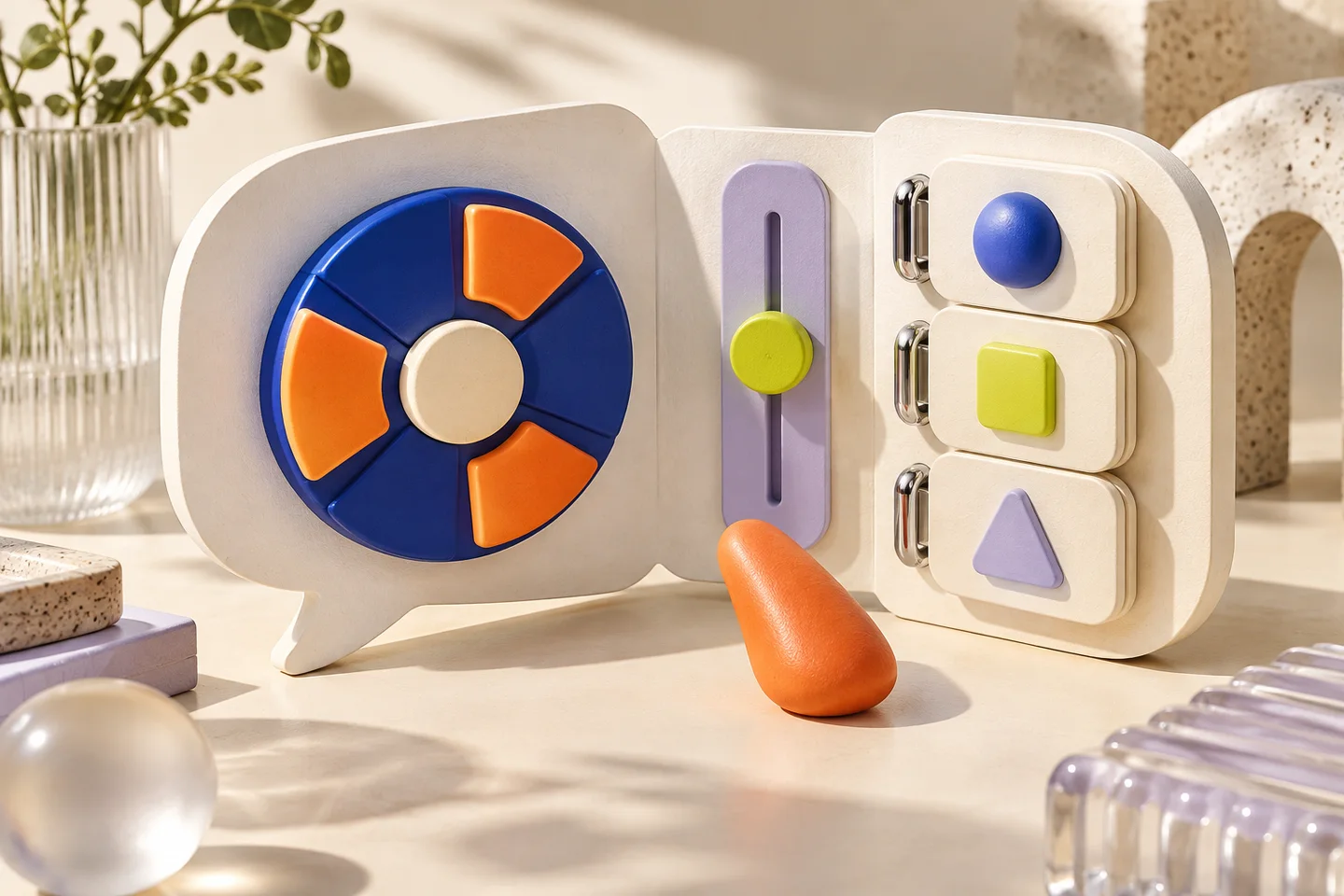
Intelligent UI adds diagrams, sliders and small tools inside a conversation. Free and Go access starts rolling out on 8 October, after paid tiers.

The new image model is available through the Gemini API. Cheaper image output and promising edits meet uneven results on likeness, product details and complex poses.

OpenAI plans a limited test later in October and expands conversion measurement partnerships.

Open weights and an Apache 2.0 licence give teams another deployment option. Running the model still requires substantial GPU capacity.

The self-serve platform connects creative and media decisions. Its launch coverage is video on connected TV and the open web; social is still planned.

The messaging startup is drawing interest from service businesses. Its tools connect agents to customer conversations, but businesses still have to build the booking and follow-up workflows.

Gaurav’s allegation follows Relay’s launch and a $20 million funding claim. Both products pitch website-to-content workflows for brands.

Black Forest Labs is pitching more controlled image revisions, with 4K output and open weights planned for the coming weeks.

Creatify’s new video model focuses on keeping products and creator identities consistent. Its performance figures come from its own evaluation.

Composer combines business context, Klaviyo data and connected tools to handle continuing marketing work, rather than isolated prompts.

OpenAI’s always-on agents have different access rules by plan: Business Premium and Enterprise include Europe, while Pro currently excludes it.

Muse connects marketing accounts and services, including Canva, but its initial launch does not include Europe.

The new conversational experience covers media planning, optimisation and analysis, with several European markets included in the beta.

Browser agents can read and update Shopify checkout, while buyer confirmation and payment authentication keep the customer involved.