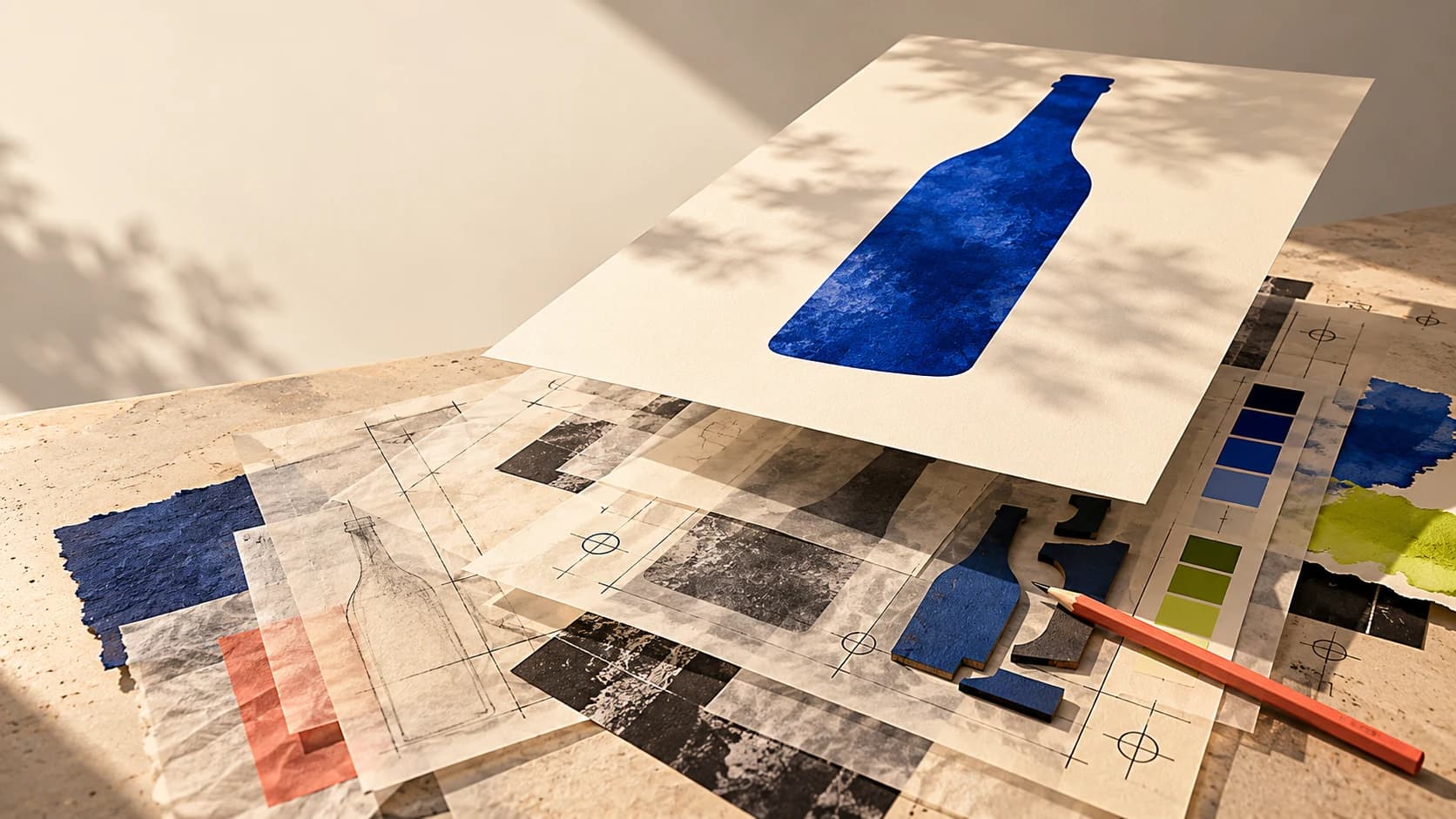
The image is ready. Is the campaign?
A bottle changes shape. A longer line moves. Follow two small creative revisions to see where the work goes after an AI image appears.

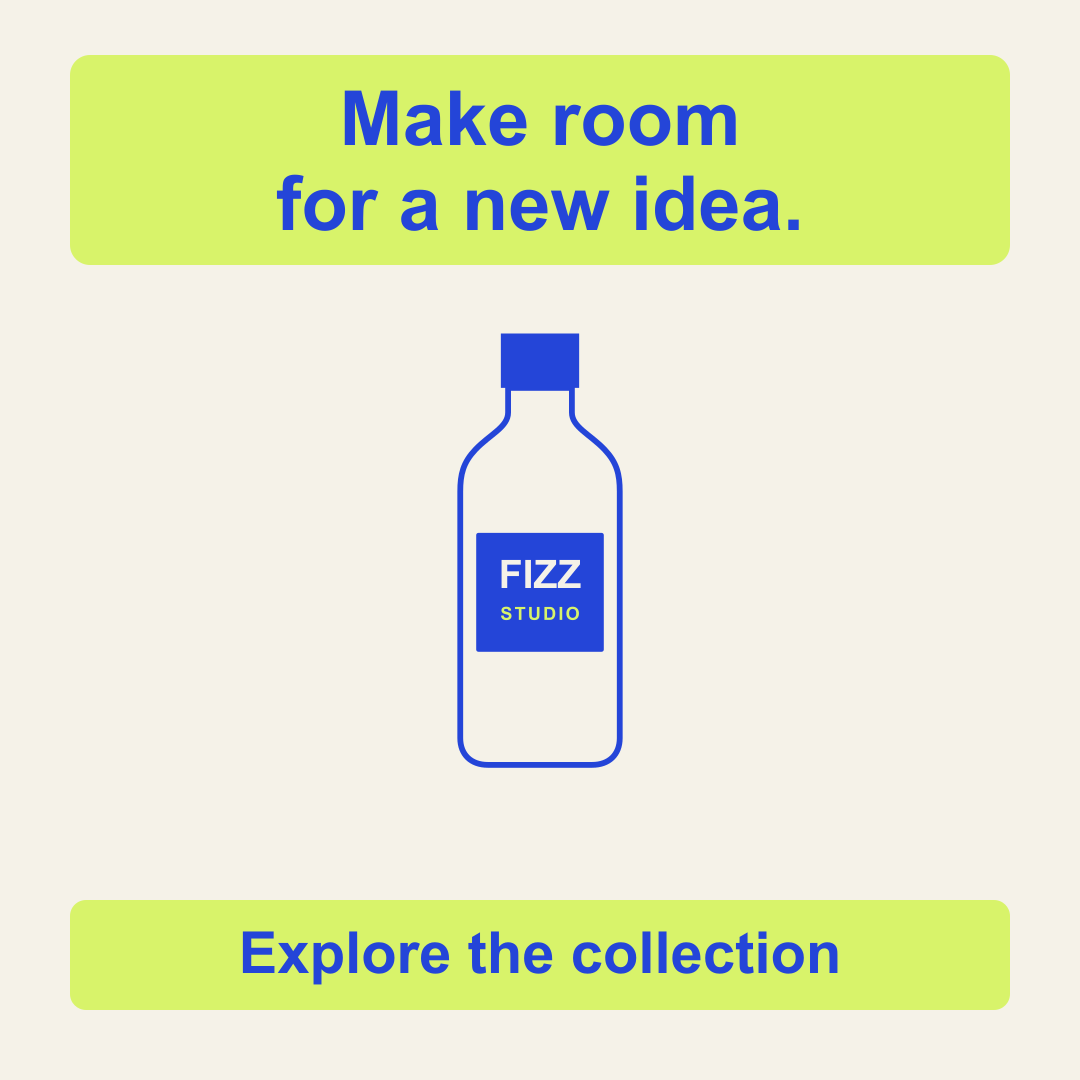
The request was modest: turn the portrait advert into a square, change the cobalt background to ivory and keep the bottle and words. The revised image looked close enough to invite a quick glance. Looking again mattered. The bottle’s outline and cap had changed, and the exported square had more pixels than requested. Somebody still had to decide what counted as finished.
A small request changes the product
For this small observation, we invented a product and supplied a simple bottle drawing and a fixed brief: make a portrait advert, then an ivory square revision, keeping the whole product and the exact words. The brief and both attempts are retained in our product observation record.
The headline, “Make room for a new idea.”, and the call to action, “Explore the collection”, appeared in both outputs. The requested change also changed the bottle. Its outline and cap were redrawn. Both files missed the requested export dimensions. A useful direction had arrived; a file that met the brief had not.
Same brief. A different bottle.
Read from the supplied reference to the first output and its single revision.
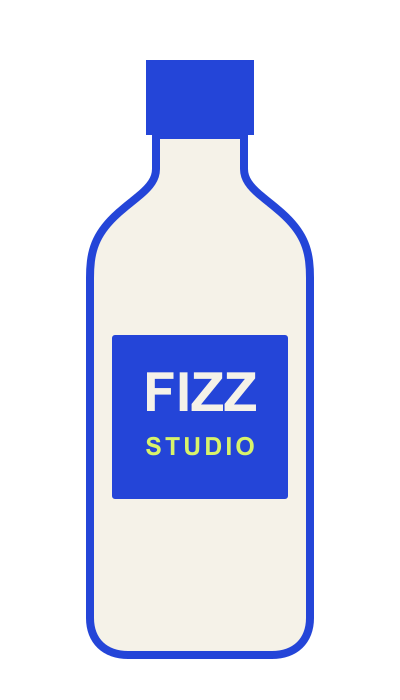
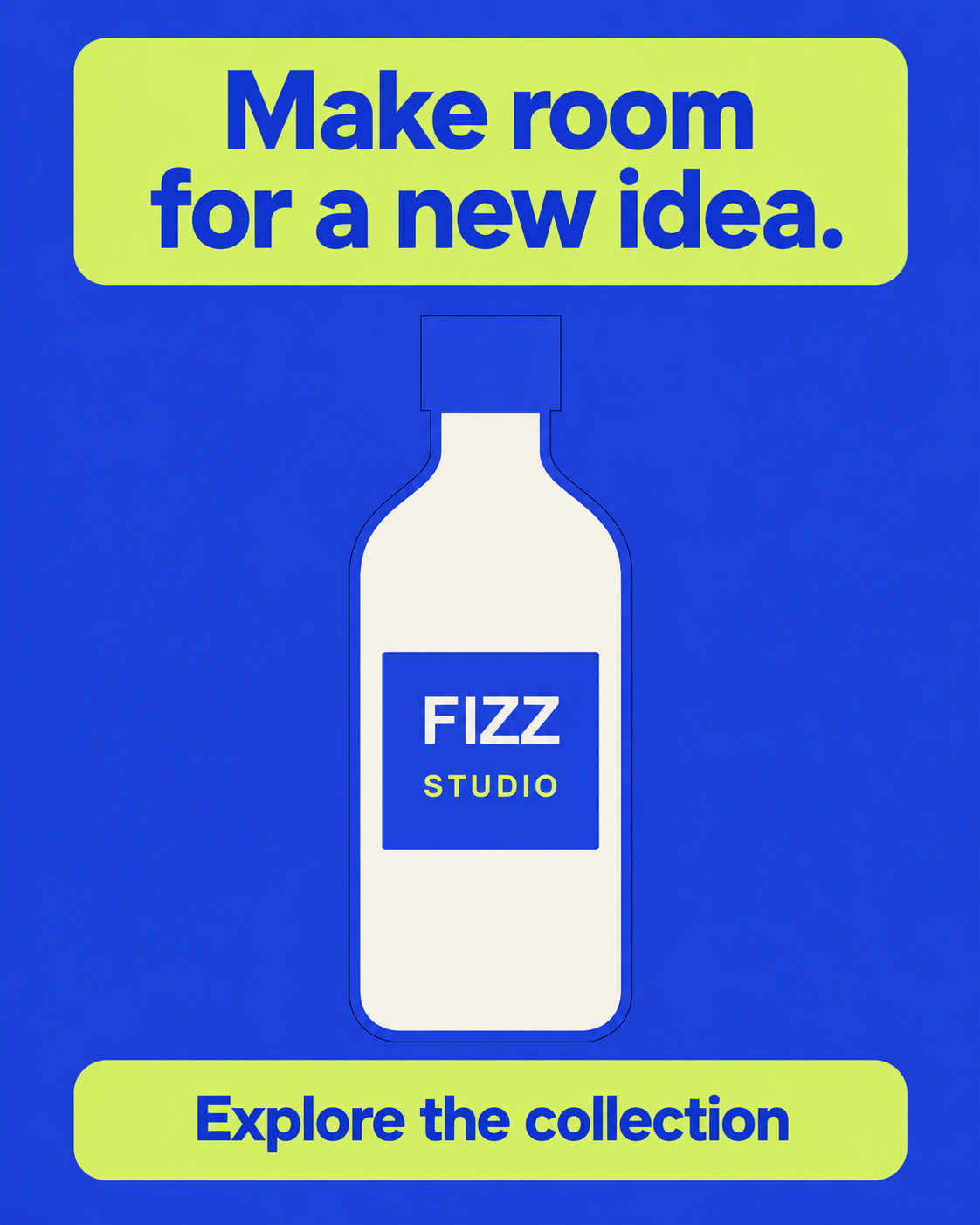
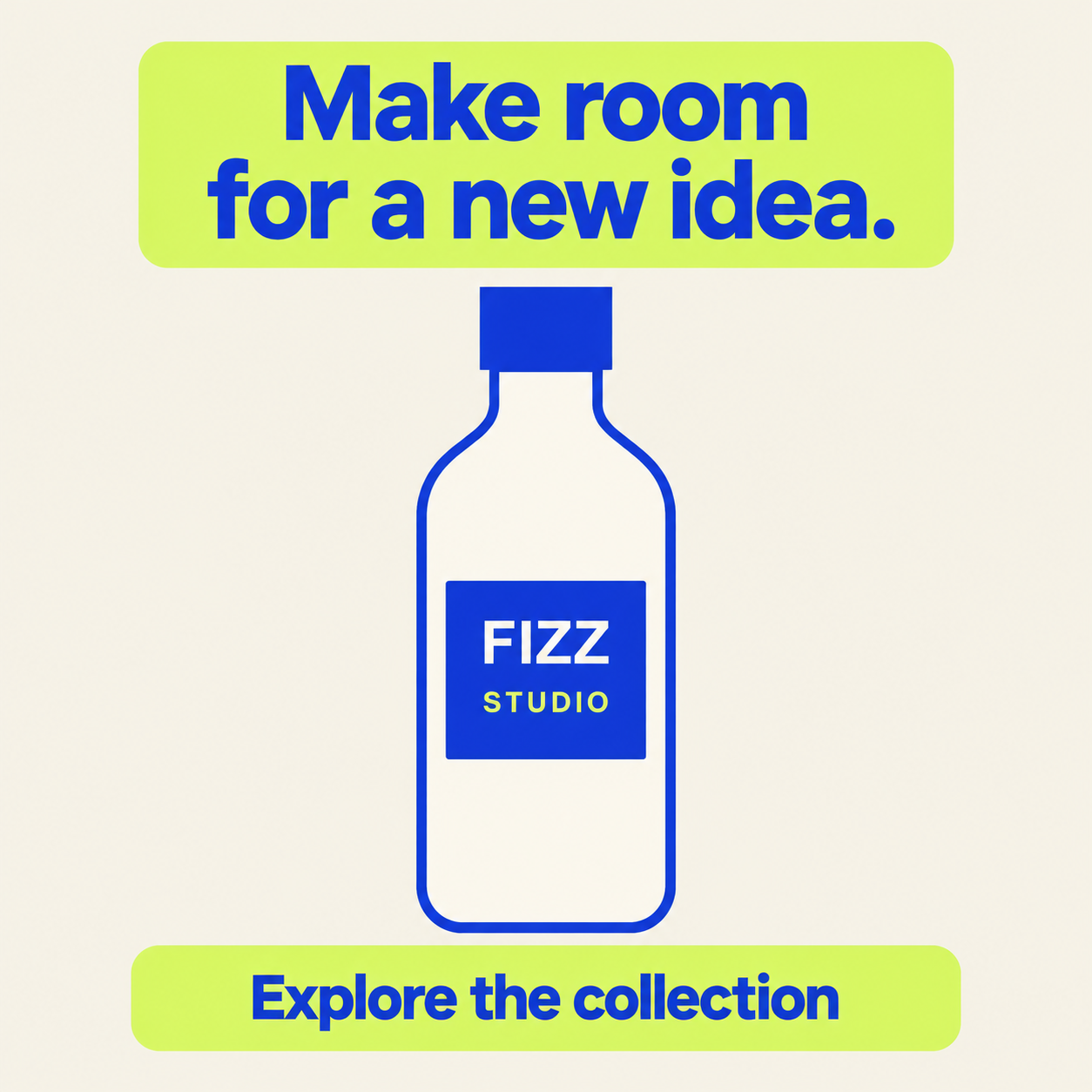
One generation and one edit using the built-in image tool on 26 October. No retries or retouching. Original PNG pixels and aspect ratios retained. This is not a batch error rate or a comparison between tools.
Our protocol, prompts and retained files ↗ · observed 26–27 Oct; checked 30 Oct 2026For a team, that moves the question beyond whether the first image looks good. Can the next person make the requested change without quietly changing something else? A product picture carries a promise about the thing somebody will buy. The person checking it needs a reference, and the authority to send it back.
A word changes. The line moves.
The second brief was smaller still: replace “fresh” with “brighter” in a promotional badge. The requested sentence appeared, but the longer line was refitted. Our badge record keeps both flattened images and the exact prompt. Neither file had the requested dimensions.
One word, another layout decision
The images below are the unchanged outputs, fitted proportionally.
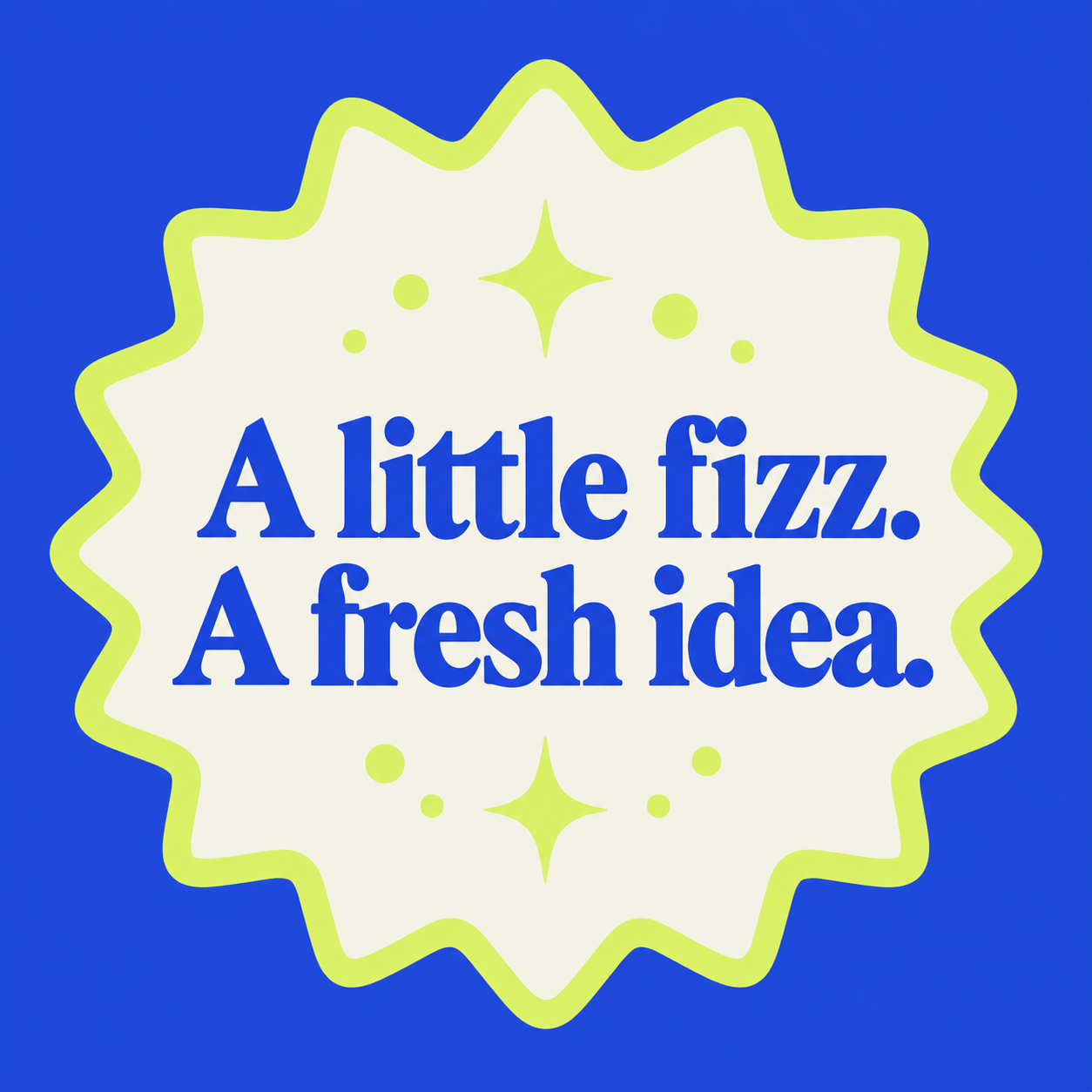
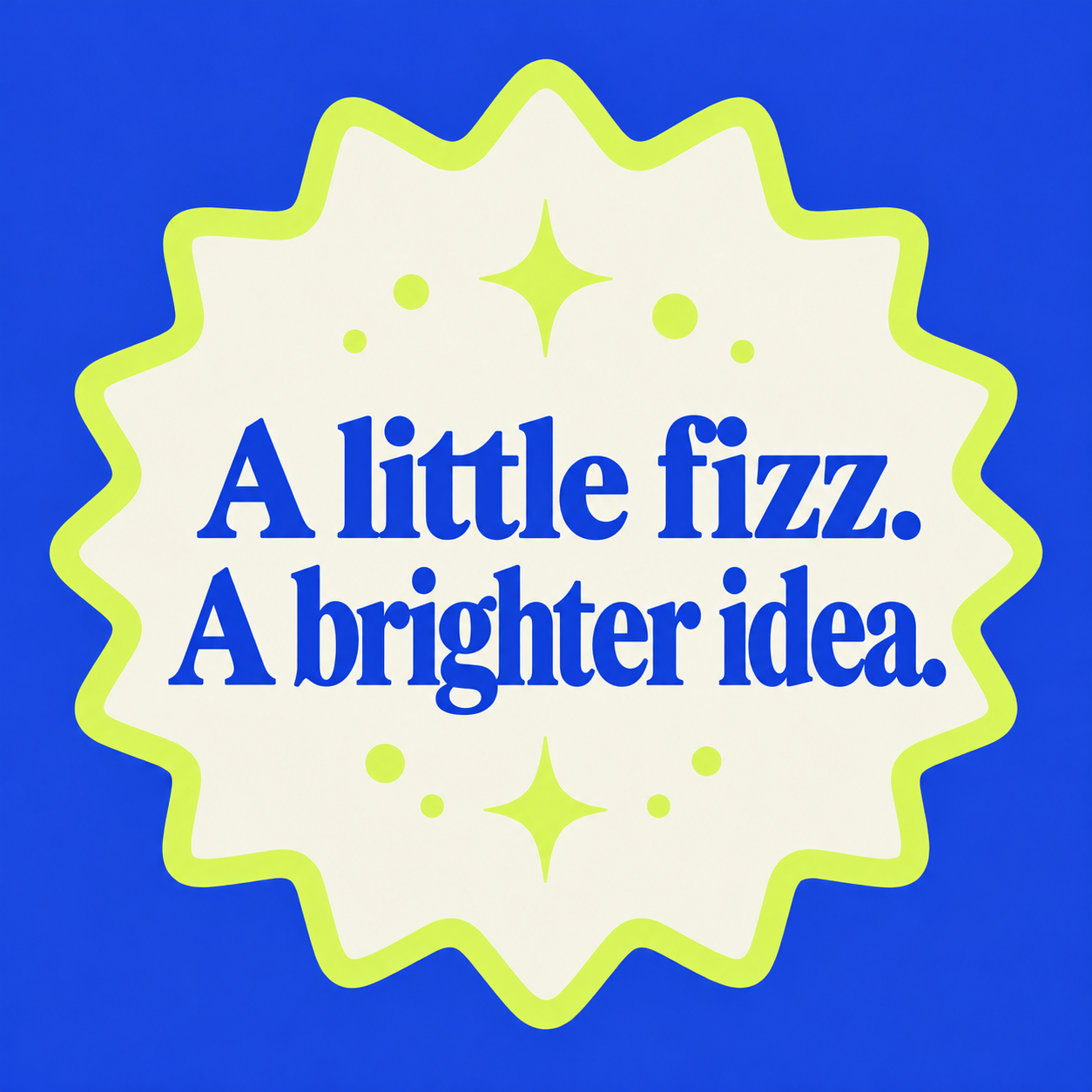
One generation and one edit; no retries. Both PNGs are 1254 × 1254 rather than the requested 1080 × 1080. No claim about another interface or model follows.
Our protocol, prompts and retained files ↗ · observed 26–27 Oct; checked 30 Oct 2026That could be entirely acceptable while a team explores a direction. It becomes a different decision when the job is a precise change to an approved layout. A flattened image gives the next person fewer direct controls over the words than an editable working file. Calling it finished skips that handover.
The work before the prompt
At Evenbound, growth strategist Nick Schanhals began a client refresh with four inputs: copy requirements, placement specifications, brand standards and a previous advert as a template. His September account describes compiling materials that a team had already developed. People still reviewed every concept and took client feedback through a revision round.
That preparation matters. A prompt can reuse a brand voice, a proven headline or a layout because somebody first chose and made them. The visible moment of generation is only one part of the production story.
Kaliber’s own account puts approval earlier. Clients settle colour, tone and layout before production; an agent builds the assets in Figma and a strategist checks the set. Its current body describes about a week elapsed and four production hours for the first campaign, then about five agency hours on later campaigns. Its heading still says eight hours, so these are approximate, self-reported stages, not a reconciled time study.
The account says later work reuses approvals. That changes the route through the project as well as the tool doing a task. An earlier decision can shorten a calendar without showing that the same amount of human work disappeared. Kaliber does not supply a matched earlier labour log for that comparison.
Where the work moves
Specify
Copy, supplied product, palette, dimensions and what must survive the revision.
Generate and revise
Make the draft and request a change. Keep both, including defects and missed specifications.
Check and hand over
Inspect the product and words, resolve the layout, export the right format and obtain creative approval.
Keeping the product means making choices
Zalando’s August account makes the product itself the constraint. Colour, shape, proportions and details must remain faithful even when the setting changes. Matthias Haase, its VP Content Solutions, describes checking against the real item and a quality-assurance system being built. Those checks belong alongside the company’s speed claims: a convincing picture does not answer whether a seam or pocket was invented.
Our own reconstruction brought the problem back to the brief. Rebuilding the layout with the supplied vector bottle preserved its geometry, but the cobalt cap disappeared against the cobalt background. Keeping the product unchanged required another choice: an ivory backing panel.
We retained the first reconstruction as well as the revised one. The generated image had not been repaired; a separate editable composition had been built and exported. The original bottle’s shape survived because it was reused directly. That took extra layout work.
Preserving the bottle creates another choice
Separate editable layouts reuse the original bottle drawing unchanged.
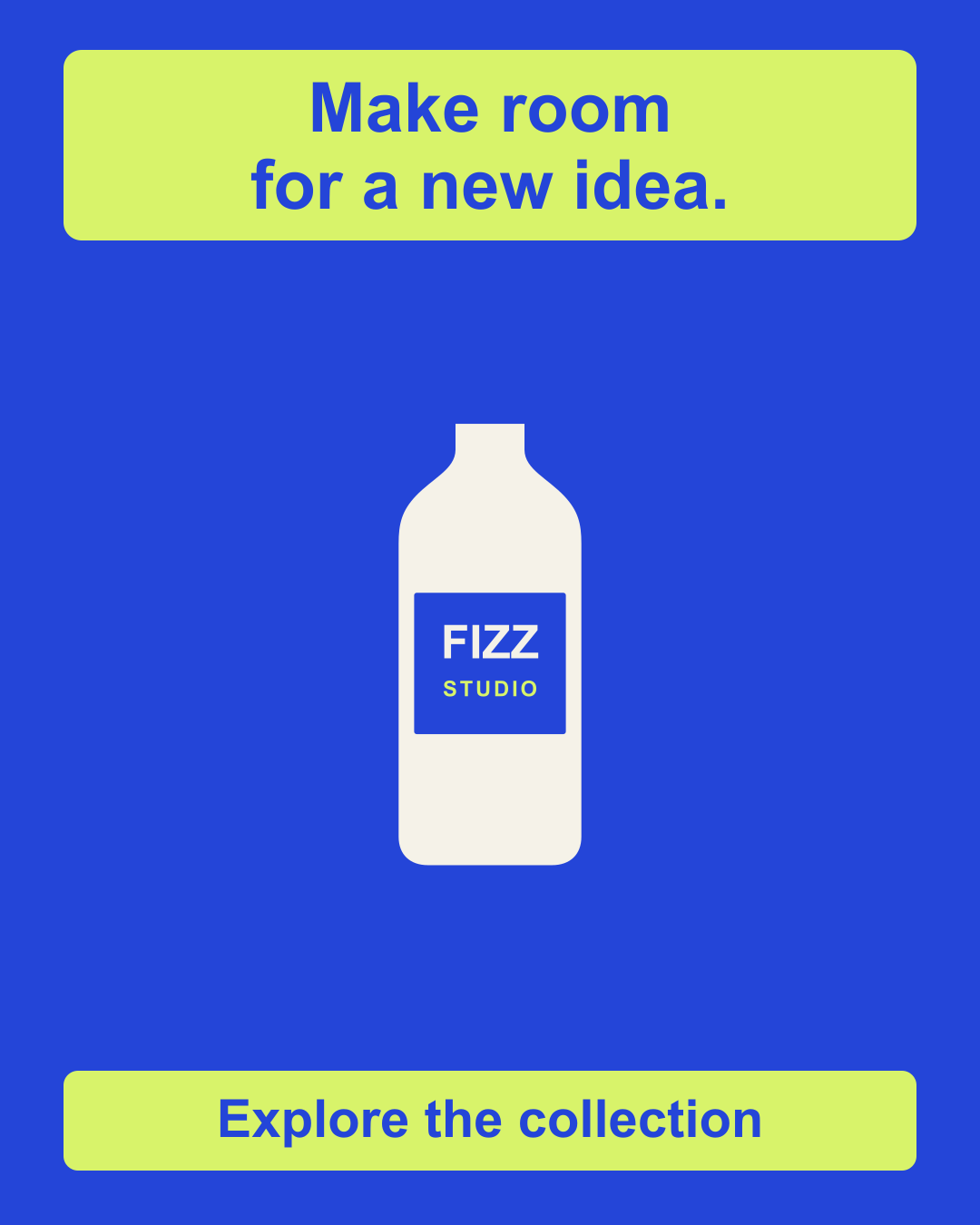
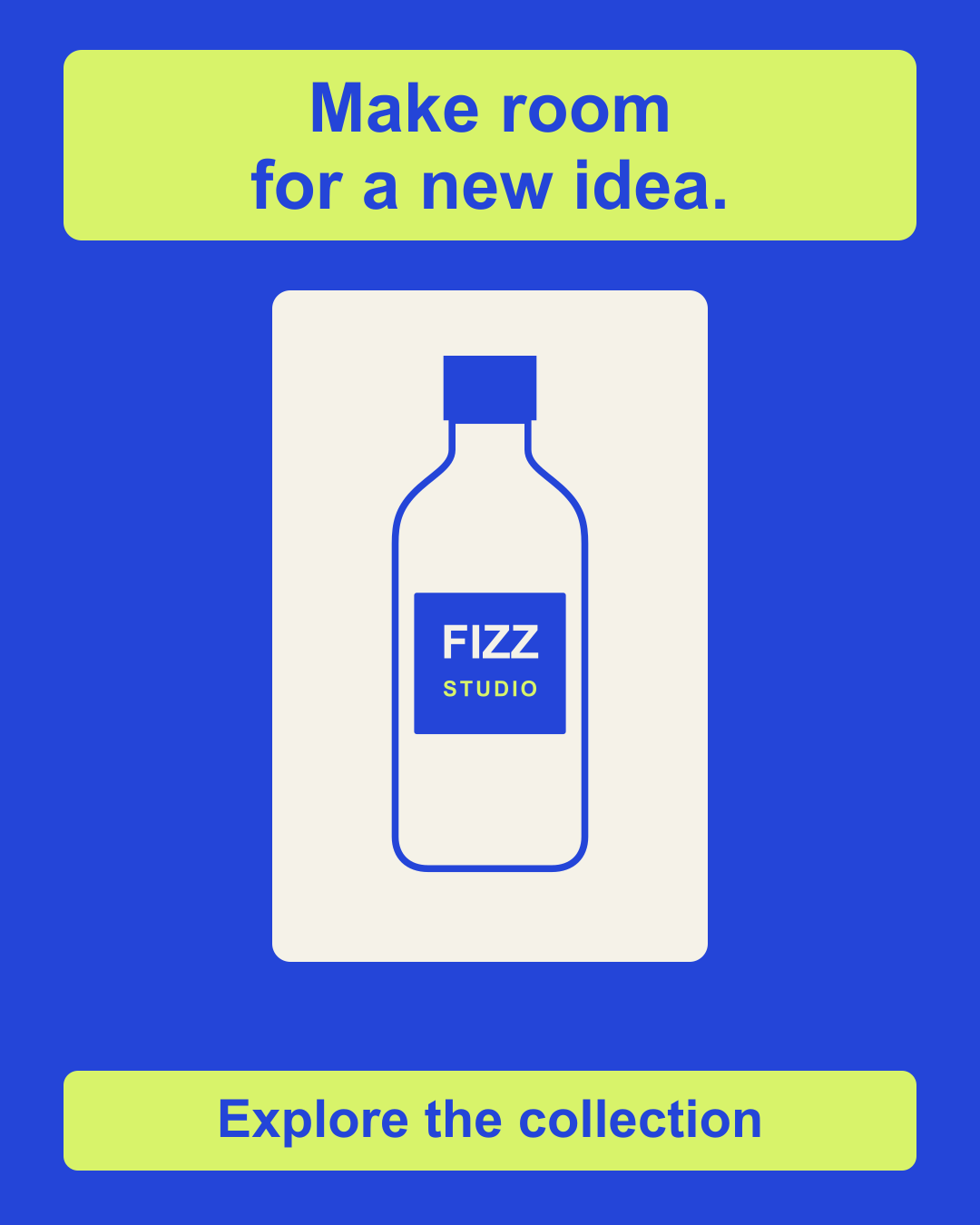
These code-native reconstructions are additional work, not repaired image-tool outputs or a timed conventional baseline. No quantitative contrast score or audience approval was measured.
Our protocol, prompts and retained files ↗ · observed 26–27 Oct; checked 30 Oct 2026Which clock are we reading?
The question “what did AI save?” needs a boundary. Waiting for a tool, doing active work, waiting for a decision and paying for an accepted output describe different things. A short generation time cannot supply all four.
In these observations, tool-call boundaries were recorded, but complete active labour was not. Later checking and reconstruction added work. There was no matched conventional campaign, client acceptance or full production bill. We can show where work appeared; we cannot turn that sequence into a savings percentage.
Three clocks, three different questions
What our retained observation can establish.
| Clock | What is known |
|---|---|
| Tool waiting | Elapsed call boundaries recorded; not a measure of active human work. |
| Checking and revision | Outputs and additional reconstruction retained. Complete active labour unknown. |
| Delivery and acceptance | Exact-size reconstruction exports checked. Client approval, matched baseline and whole-job cost unknown. |
Agree on what finished means
A finished file needs an agreed endpoint: the right copy, a faithful product, a readable composition, the requested format and someone entitled to approve it. The retained examples show work moving into checking, controlled changes and handover. They do not tell us its complete cost.
For the next brief, the useful record begins before generation. Keep the supplied assets and first attempt, record what the reviewer sends back, retain the working file and mark who accepts the result. Then count the complete job. The spectacular first image can start the conversation; the accepted revision is where the production claim has to land.
Our reporting on who makes the call when AI does the analysis asks a related question in another setting: where does judgement sit when the output arrives quickly? The creative brief gives that question a visible shape.
Sources & reporting
Checked 30 Oct 2026. This perspective combines reporting from the sources below with our editorial interpretation.
- Product-layout brief, original outputs and revision checks ↗Marketer Fizz · Research
- Badge brief, original outputs and copy revision ↗Marketer Fizz · Research
- Separate editable reconstruction and retained intermediate ↗Marketer Fizz · Research
- A client creative refresh built from existing brand materials ↗Evenbound · Research
- Kali Jam Board: approval and production workflow ↗Kaliber · Research
- Accuracy, customer value and human judgement ↗Zalando · Research
Written with AI assistance. Fizzy is our fictional reporter persona. Our editorial approach.